
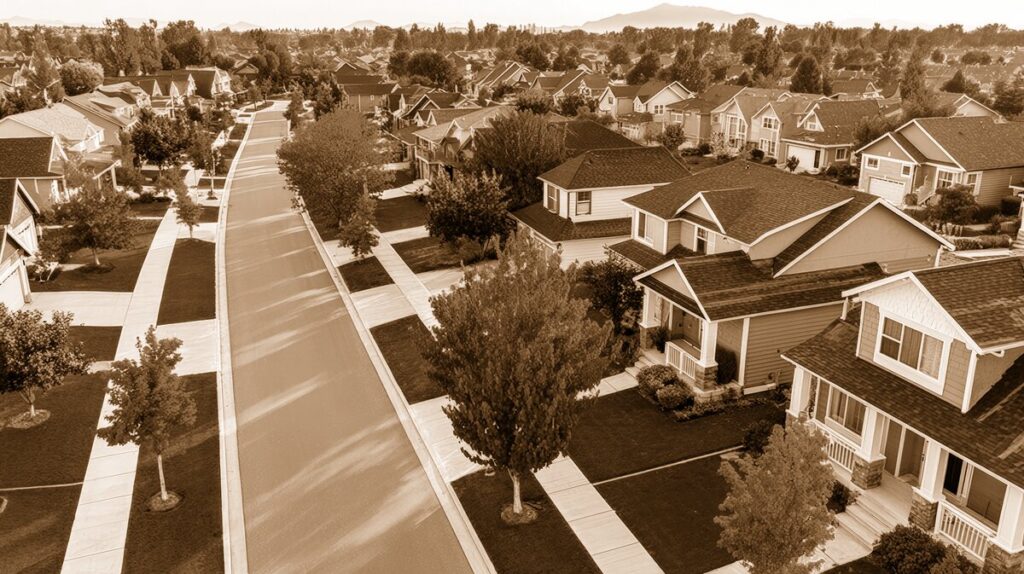
Nestled in the heart of Houston’s vibrant Montrose area, Audubon Place is more than just a cluster of blocks lined with mature trees and charming homes—it’s a living slice of Houston’s early 20th-century story. As a longtime resident would tell you, walking down Audubon Place’s peaceful avenues is like taking a stroll through both time and tradition, where historic preservation meets the creative pulse of contemporary Houston.
Beginnings: A Vision for Beauty and Community
The origins of Audubon Place trace back to 1906, when Houston was undergoing dramatic transformation from a quiet bayou town into a modern metropolis. Developers William A. Wilson and E.C. Wharton envisioned a small, exclusive residential pocket with strict deed restrictions that would guarantee both quality construction and a serene neighborhood atmosphere for generations to come. This vision took root on land just west of downtown, stretching along what is today Audubon Place Boulevard and its lacework of side streets like Kipling, Harold, and Hawthorne.
From the outset, Audubon Place’s developers emphasized not just fine architecture but also a park-like ambiance. Wide boulevards, lush greenery, and generous setbacks were all mandated elements, ensuring the community’s natural beauty would remain intact. The goal was a neighborhood that provided respite from the city’s bustle, where Houston’s burgeoning upper middle class could put down roots.
What’s in a Name: Audubon and the Bird Streets
The “Audubon” in Audubon Place is a direct nod to John James Audubon, the famed 19th-century ornithologist, naturalist, and painter. Audubon’s reverence for birds and the natural world dovetailed perfectly with the developers’ vision for a tranquil, leafy haven. This theme was carried further through the neighborhood’s original street names, many of which honored birds—Robin, Linnet, and others—evoking a sense of poetic unity with nature. While some of these names have changed over the decades to more standard Houston street monikers, the identity of Audubon Place remains tied to its avian muse.
Early Days: Arts, Architecture, and Community
By the 1910s and 1920s, Audubon Place blossomed into a showcase of period architecture. Most homes were built in the Craftsman bungalow style, with their wide porches, low-pitched roofs, and decorative woodwork. A few stately examples of Tudor Revival and Mediterranean-inspired homes also appeared, reflecting the eclectic tastes of the era’s residents.
The neighborhood drew families seeking both sophistication and strong community ties. Even in its earliest years, local gatherings, garden clubs, and progressive dinner parties helped neighbors get to know one another. Audubon Place was—and remains—walkable, with schools, churches, and later, vibrant arts venues just blocks away.
Historical Milestones and Landmarks
Throughout the decades, Audubon Place has preserved much of its original layout and look. Some key historical milestones and landmarks include:
- Establishment of the Audubon Place Civic Association (APCA): Founded more than 40 years ago, the APCA has been vital in advocacy for controlled development, preservation, and neighborhood safety, hosting regular meetings and events at various nearby institutions.
- Audubon Place Boulevard: The centerpiece of the neighborhood, this beautiful, tree-lined avenue is still flanked with vintage bungalows and original streetlamps—an inviting place for evening strolls.
- Proximity to Historic Sites: Just steps away from the Menil Collection campus and the Rothko Chapel, Audubon Place stands at the intersection of Houston’s history, arts, and spirituality.
- Legacy Homes: Several houses, especially those on Hawthorne and Harold streets, have earned recognition from the City of Houston for their historic integrity and featured in local home tours.
Changing Times: The Neighborhood Evolves
Like many inner-loop neighborhoods, Audubon Place felt the winds of change in the post-WWII decades. Some original homes were lost to time or replaced with modern structures, particularly in the 1970s and 1980s when the broader Montrose area became known for its bohemian spirit and artistic renaissance. Still, the tight-knit character of the community helped protect its core.
In recent years, preservationists and residents have worked hard to maintain the early-20th-century feeling of the blocks. New construction trends toward sympathetic infill design, and the APCA continues to steward the neighborhood’s character. Audubon Place’s deed restrictions—still rare in Houston—play a quiet but essential role in this stewardship.
Vibrant Present: A Community Spirit Years in the Making
Today, Audubon Place stands as a peaceful enclave within Houston’s ever-changing landscape. Its old oaks and sidewalks invite joggers and dog-walkers alike, while its historic facades recall a slower, gracious era. The neighborhood’s location—just west of Downtown, close to the University of St. Thomas, and within sight of the city’s major museums—makes it a crossroads for culture, history, and daily life.
Residents host annual events, from block parties to holiday luminaria, reinforcing connections that have defined Audubon Place from the start. Neighbors gather at nearby Mandell Park or peruse local art galleries, always carrying with them a strong sense of local pride and heritage.
Why Audubon Place Endures
Audubon Place isn’t just remarkable for its pretty homes or tree-lined streets. Its deeper magic lies in the way it embodies Houston’s striving spirit—visionary, rooted, but open to change. It’s a place where history isn’t just something you read about, but something you live. Whether you’re sipping coffee on a restored porch, chatting with neighbors at a garden sale, or admiring a bloom of azaleas along the boulevard, you’re part of a story that began more than a century ago and continues to be written every day.
If you ever find yourself wandering through Montrose, take a detour onto Audubon Place Boulevard. You’ll find not only beauty and charm but a living testament to Houston’s heritage—one that’s sure to endure for generations to come.